Cart 0


Beyond the Basics: Advanced SEO Strategies for Small Businesses & Nonprofits
In today’s dynamic digital landscape, merely having a website isn’t enough. For small business owners,



In the ever-evolving landscape of online search, staying ahead means understanding the nuances of Google’s algorithm. For small business owners, entrepreneurs, and nonprofit leaders, this isn’t just about technical SEO; it’s about building genuine credibility and trust. Enter Google E-E-A-T: Experience, Expertise, Authoritativeness, and Trustworthiness. This framework is more than just an acronym; it’s Google’s blueprint for evaluating the quality and reliability of content and websites. Mastering E-E-A-T is no longer optional—it’s essential for achieving higher search rankings, attracting your ideal audience, and fostering lasting relationships online. Let’s dive into how your organization can leverage E-E-A-T to not only survive but thrive in the digital sphere.
For years, Google’s algorithm has prioritized high-quality, reliable content. This commitment solidified with the introduction of E-A-T (Expertise, Authoritativeness, Trustworthiness) as a core principle in its Search Quality Rater Guidelines. In late 2022, Google updated this framework to include an additional “E” for Experience, transforming it into E-E-A-T. This change underscores Google’s desire to surface content not just from experts, but from those with genuine, first-hand experience in a topic.
So, what does E-E-A-T mean for your small business or nonprofit? It means Google wants to ensure that the information users find is not only accurate and well-researched but also comes from individuals or organizations with real-world understanding. For YMYL (Your Money Your Life) topics—content that could impact a person’s health, financial stability, or safety—E-E-A-T is especially critical. Think medical advice, financial planning, or legal information. By demonstrating strong E-E-A-T, you signal to Google that your website is a credible source, deserving of higher visibility in search results. This translates directly into more organic traffic, enhanced brand reputation, and ultimately, greater success for your mission.
The newest addition to the framework, “Experience,” emphasizes the value of first-hand knowledge. Google wants to see that the content creator or organization has practical, real-world experience with the topic they are discussing. For a small business, this could mean demonstrating that you’ve personally used the products you sell, or that your team has decades of collective experience in your service industry. For a nonprofit, it means showcasing the direct impact of your work, the stories of those you serve, and the practical knowledge gained from years on the ground.
Quick Win Tip: Review your “About Us” page and individual author bios. Ensure they clearly highlight relevant experience, qualifications, and credentials. Add specific examples of achievements, years in business, or client testimonials.
Expertise refers to the specialized knowledge and skills an individual or organization possesses in a particular field. While closely related to experience, expertise focuses more on the depth of understanding and qualifications. For a medical practice, this means highlighting doctor’s specializations and board certifications. For a restaurant, it might be the chef’s culinary training and unique approach to cuisine. For a nonprofit addressing a specific social issue, it’s about the deep understanding of that issue and the innovative solutions you offer.
Authoritativeness is about being recognized as a respected and trusted source of information within your industry. It’s not just about what you say, but who else says you’re important. Think of it as your reputation on a broader scale. When other reputable websites, publications, or individuals reference your work, it signals to Google that you are an authority in your field.
Trustworthiness is arguably the most fundamental component of E-E-A-T. It encompasses the reliability, honesty, and transparency of your website and organization. Users need to feel safe and confident interacting with your site and consuming your content. For a small business, this means customers trust your products and services. For a nonprofit, it means donors trust that their contributions are used effectively and ethically.
Understanding E-E-A-T is one thing; putting it into practice is another. Here’s an actionable roadmap for small business owners and nonprofit leaders:
Implementing E-E-A-T isn’t a one-time fix; it’s an ongoing strategy. At Triforce Digital Marketing, we help small-to-medium-size businesses and nonprofits craft data-driven digital marketing strategies that build strong E-E-A-T signals, from comprehensive SEO services to expert social media management and robust web presence management.
How do you know if your E-E-A-T efforts are paying off? While there isn’t a direct “E-E-A-T score,” you can track several key performance indicators (KPIs) that reflect improvements in your credibility and authority:
Regularly analyzing these metrics allows you to refine your strategy and continue building a stronger online presence. Our data-driven campaigns at Triforce Digital Marketing are designed to help you not only implement E-E-A-T best practices but also meticulously track their impact, ensuring your efforts translate into measurable growth.
Whether you’re a small business looking to dominate local search or a nonprofit ready to expand your reach, Triforce Digital Marketing is here to help. Visit us at triforce.io to schedule your free strategy consultation today.
In today’s dynamic digital landscape, merely having a website isn’t enough. For small business owners,
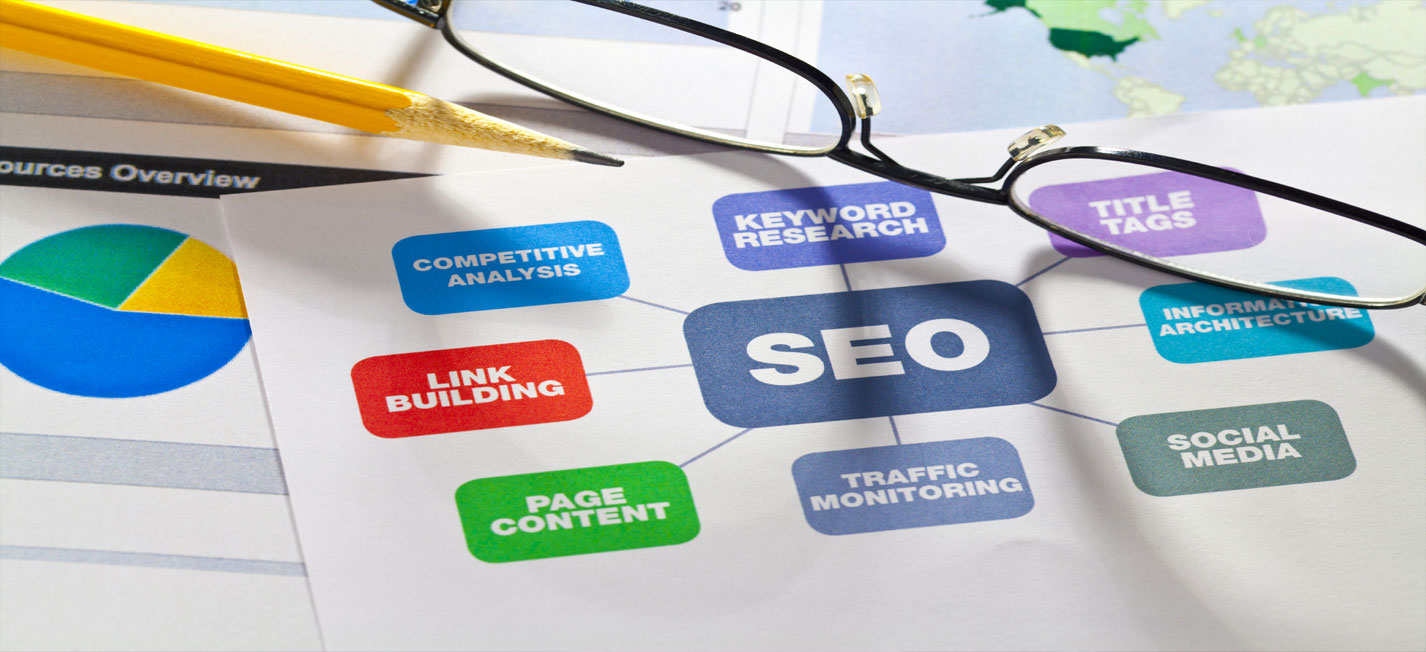
How SEO and SEM Work Together for Better Results? How SEO and SEM Work Together?

The importance of anchor text with respect to a linking strategy cannot be overstated. Back-links are a
Please Check Your Inbox to Download the Resource!