Cart 0


What Is Workflow Automation? A Practical Guide for Growing Businesses
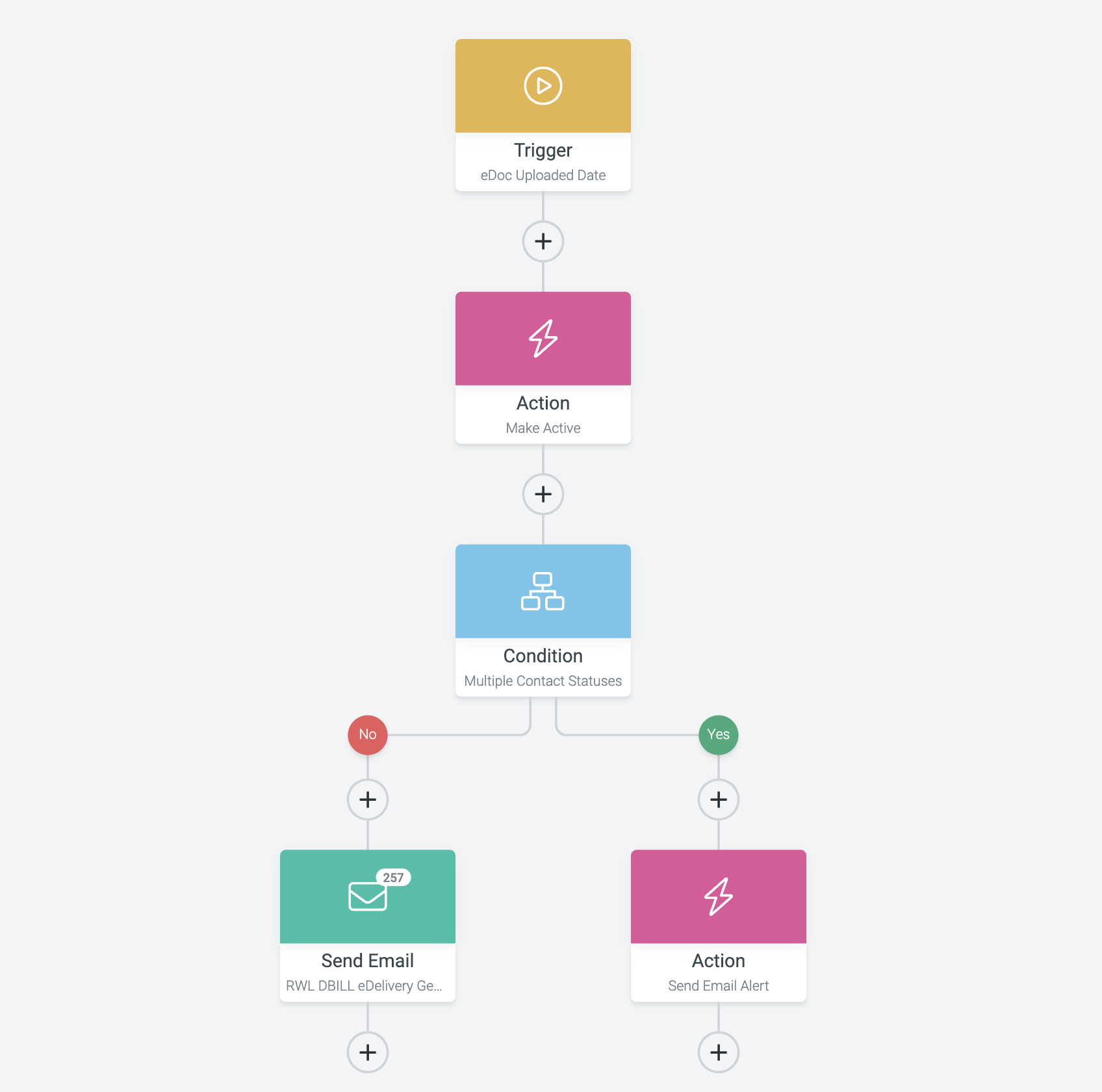
Workflow automation replaces repetitive manual steps with software-driven triggers and actions. Here is how it
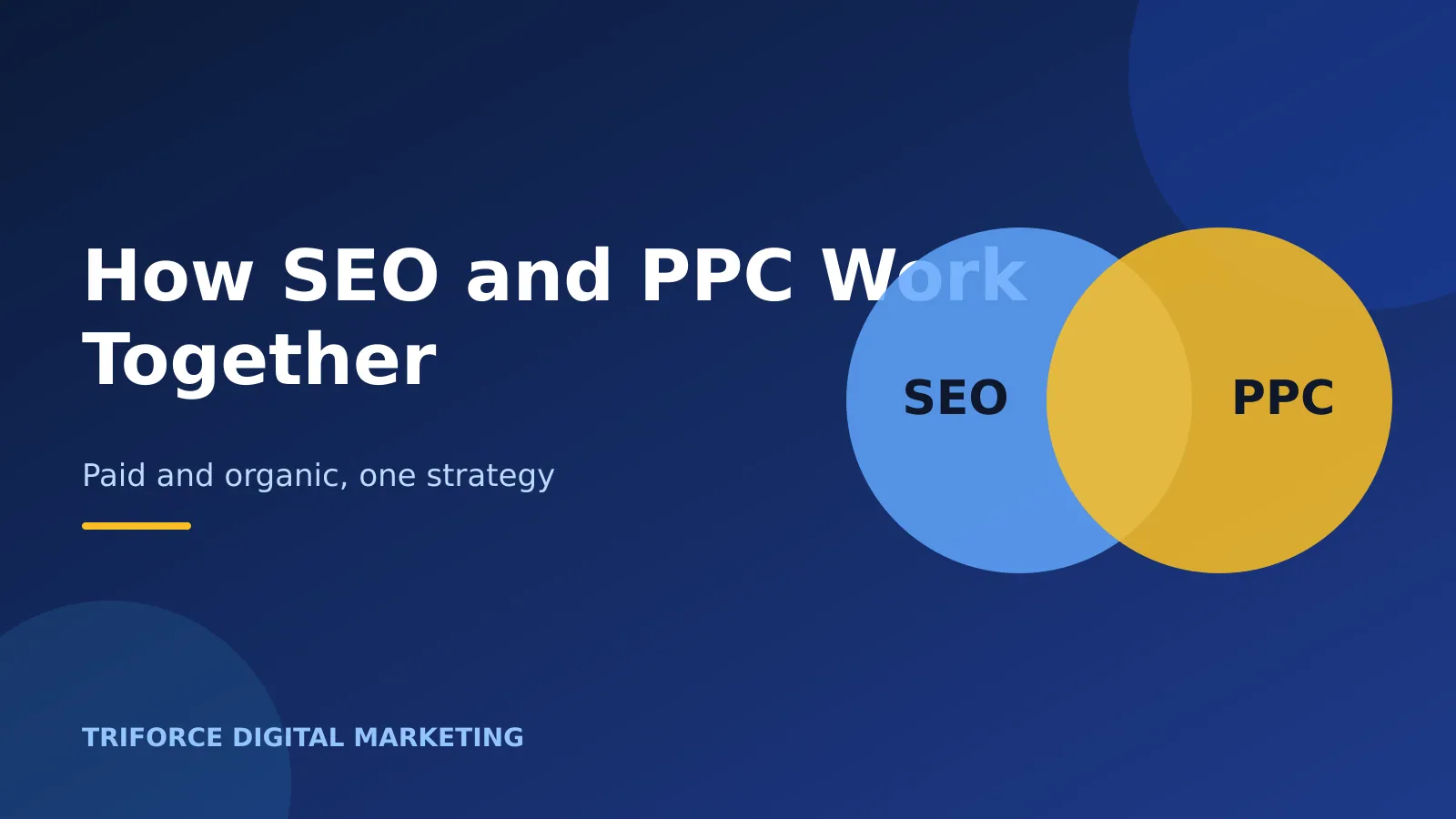
SEO and PPC work together by combining organic search visibility with paid advertising to help businesses reach more potential customers, attract qualified traffic, and increase conversions. While SEO builds long-term visibility through search engine rankings, PPC delivers immediate exposure through paid advertisements. When these strategies are managed together, businesses can capture more search opportunities, gather valuable marketing data, and create a more effective digital marketing strategy.
Rather than treating SEO and PPC as competing marketing channels, businesses can use them to support each other. Understanding how these two approaches complement one another can help companies maximize their marketing budgets, improve search performance, and achieve sustainable growth.
Search Engine Optimization (SEO) is the process of improving a website’s visibility in organic search engine results. It involves optimizing website content, technical performance, site structure, and authority to help search engines understand and rank relevant pages.
Unlike paid advertising, organic search rankings are not purchased. Websites earn visibility by providing useful content, delivering a positive user experience, and demonstrating relevance and credibility for specific search queries.
An effective SEO strategy typically includes several important activities:
SEO is generally a long-term investment. Although some improvements can produce results relatively quickly, establishing consistent organic visibility and authority often requires several months of ongoing work.
Businesses can learn more about these fundamentals through Triforce’s search engine optimization services and its guide to SEO for small business success.
Pay-Per-Click (PPC) advertising is a digital advertising model in which businesses pay when someone clicks on their advertisements. These ads can appear on search engines, social media platforms, and other advertising networks.
Google Ads is one of the most widely used PPC platforms. Businesses can bid on relevant keywords to display advertisements when users search for specific products or services.
For example, a local plumbing company might target searches such as “emergency plumber near me” or “plumbing repair in Dallas.” When someone searches for these terms, the company’s advertisement may appear above or alongside organic search results.
PPC campaigns typically involve:
One of PPC’s biggest advantages is its ability to generate visibility shortly after a campaign launches. However, traffic alone does not guarantee profitability. Campaign performance depends on targeting, competition, budget, ad quality, landing page experience, and conversion optimization.
Learn more about PPC advertising and how professional PPC management services can help businesses manage their paid campaigns.
SEO and PPC serve different purposes, but their combined use can create a more comprehensive search marketing strategy. SEO helps businesses build sustainable organic visibility, while PPC provides opportunities to reach customers immediately through targeted advertisements.
Here are several ways these two channels support each other.
One of the most important benefits of combining SEO and PPC is the ability to occupy more space in search engine results.
When a business ranks organically and runs paid advertisements for the same relevant search terms, its website may appear in multiple positions on the search results page.
For example, imagine a Dallas digital marketing agency targeting the keyword “SEO services in Dallas.”
The business might have an organic listing on the first page while also running a Google Ads campaign targeting the same search term. This creates additional opportunities for searchers to discover the company.
Having both paid and organic listings can:
However, appearing in both paid and organic results does not automatically guarantee higher click-through rates or conversions. Businesses should monitor performance to determine whether the combined visibility is generating meaningful results.
Keyword research is an essential part of both SEO and PPC. However, PPC campaigns can provide valuable performance data that helps businesses make more informed organic search decisions.
SEO keyword research can identify search terms with relevant search volume and strong commercial intent. However, it may take time to determine which keywords consistently attract qualified visitors and generate conversions.
PPC campaigns allow businesses to test selected keywords and evaluate their performance using actual advertising data.
For example, a company offering web design services might target these keywords:
By reviewing PPC performance, the company can identify which search terms generate the most qualified leads, conversions, and valuable customer interactions.
These insights can then guide SEO activities, including:
Instead of relying entirely on estimated keyword metrics, businesses can use PPC results to identify search terms with demonstrated commercial value.
SEO and PPC both depend on relevant, helpful, and well-structured website content.
SEO helps businesses develop content that addresses customer questions and search intent. PPC can then use that content as a foundation for creating more relevant landing pages.
For example, a business offering digital marketing services may already have an SEO-optimized service page explaining its solutions, benefits, and process.
That page can provide useful information for developing a paid advertising landing page. The business can improve the page with stronger calls to action, customer testimonials, service details, and conversion-focused elements.
Well-optimized landing pages can support PPC performance by improving the relevance and usefulness of the destination page. For Google Ads, landing page experience is also one of the factors considered in Quality Score.
Businesses should focus on:
A strong landing page benefits both organic visitors and paid advertising traffic.
For additional improvements, businesses can explore conversion rate optimization services to identify opportunities to turn more website visitors into customers.
Not every keyword or content topic produces the same results. Some searches attract visitors who are researching, while others indicate a stronger intention to purchase or request a service.
PPC campaigns allow businesses to test different keywords, advertisements, and messaging before investing heavily in long-term SEO content development.
For instance, a company offering nonprofit marketing services might test advertisements targeting:
By reviewing clicks, conversions, and engagement, the business can identify which topics attract its most valuable audience.
These findings can help determine which SEO content deserves priority.
Businesses can use successful PPC topics to develop:
This approach reduces guesswork and helps businesses build content strategies around actual audience interests.
SEO requires consistent effort, and newly optimized pages may not rank immediately. Businesses entering competitive markets may need time to build website authority, publish relevant content, and improve their technical foundations.
PPC can help bridge this gap by generating visibility while organic search performance develops.
For example, a new business launching a web design company in Dallas may not immediately rank for competitive searches such as “web design Dallas.”
While its SEO strategy focuses on optimizing service pages, publishing useful content, and earning relevant backlinks, PPC advertisements can help the company reach potential customers searching for web design services.
This provides several advantages:
Over time, as organic rankings improve, businesses can reassess their PPC budgets and determine where paid advertising provides the greatest additional value.
Customers do not always make purchasing decisions after their first interaction with a business. They may visit a website, compare providers, read reviews, and return later before requesting a service.
SEO and PPC can help businesses remain visible throughout this decision-making process.
For example, someone searching for “best digital marketing agency in Dallas” may encounter a company’s paid advertisement. After reviewing several providers, the same person might search for the company’s name and discover its organic listings, blog articles, portfolio, and customer testimonials.
Repeated exposure across different search results can strengthen brand recognition and make a business easier to find.
Businesses can reinforce this experience by maintaining consistent messaging across advertisements, landing pages, service pages, and other website content.
Publishing informative resources and showcasing customer experiences can also help establish credibility.
Triforce provides examples of its work through its portfolio and customer testimonials, which can help prospective clients understand the company’s services and experience.
SEO and PPC generate different types of performance data. When businesses evaluate these channels together, they gain a broader understanding of how customers discover and interact with their websites.
SEO reporting can reveal:
PPC reporting can reveal:
Combining these insights helps businesses identify opportunities that may not be obvious when reviewing each channel separately.
For example, a keyword might generate significant organic traffic but relatively few conversions. PPC data may reveal that another keyword with lower search volume produces more qualified leads.
Businesses can use this information to improve keyword targeting, adjust advertising budgets, update landing pages, and prioritize content development.
The goal is not simply to increase traffic. It is to attract the right audience and generate measurable business outcomes.
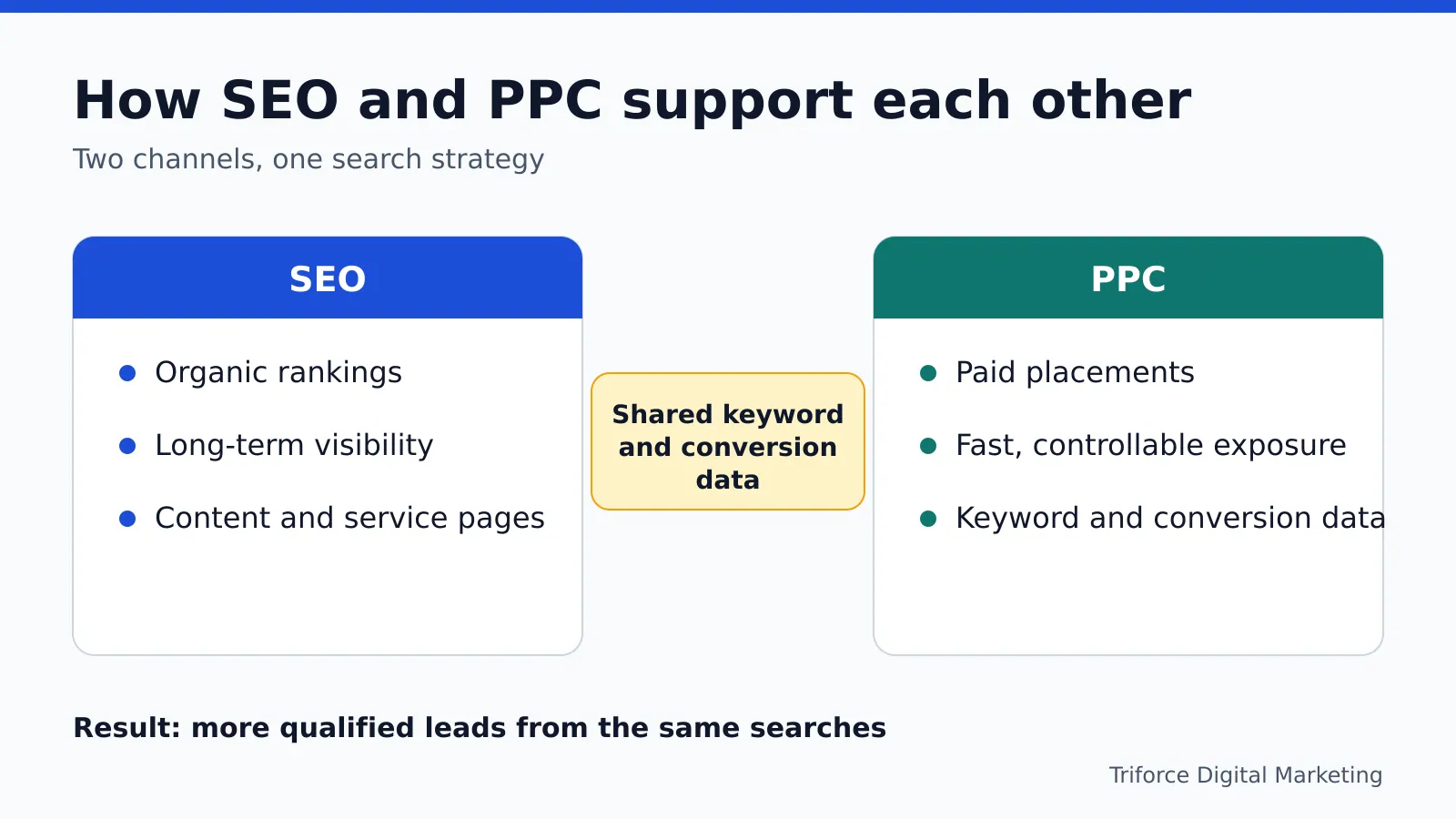
Although SEO and PPC share the goal of attracting relevant website visitors, their approaches, costs, and timelines differ.
Understanding these differences helps businesses determine how much attention and budget each channel should receive.
| Comparison | SEO | PPC |
|---|---|---|
| Traffic source | Organic search results | Paid advertisements |
| Cost structure | SEO investment, content, and optimization | Advertising spend and campaign management |
| Visibility timeline | Generally takes time to develop | Can begin shortly after campaign launch |
| Long-term value | Can generate ongoing traffic without paying for each click | Traffic generally depends on active campaigns and available budget |
| Keyword targeting | Organic keyword optimization | Paid keyword bidding and targeting |
| Performance measurement | Rankings, impressions, clicks, and organic conversions | Clicks, CPC, conversions, and ROAS |
| Main advantage | Sustainable organic visibility | Immediate and controllable exposure |
| Main limitation | Competitive rankings take time | Requires ongoing advertising investment |
Neither strategy is automatically better than the other. The right approach depends on a business’s goals, competition, available resources, and customer acquisition requirements.
For a more detailed comparison, read SEO vs. PPC: Understanding the Differences in Digital Marketing Strategy.
Combining SEO and PPC requires more than running advertisements while publishing blog posts. Businesses need a coordinated strategy that connects keyword research, website optimization, advertising campaigns, and performance measurement.
The following steps can help establish a more effective approach.
Start by identifying what the business wants to achieve.
Common objectives include:
Clear objectives make it easier to determine how SEO and PPC should work together.
For example, a business focused on generating immediate leads may initially allocate more resources to PPC while developing its long-term SEO strategy.
An established business with strong organic rankings may use PPC to target competitive keywords, promote specific services, or reach additional audiences.
Identify the search terms potential customers use when looking for the business’s products or services.
Organize keywords according to search intent:
Use relevant keyword research tools and PPC campaign data to identify opportunities.
Prioritize keywords based on relevance, competition, search volume, commercial intent, and actual conversion performance.
Once the keyword research is complete, determine which search terms should receive organic and paid attention.
For SEO, develop service pages, informative blog posts, and supporting content that address the needs of your target audience.
For PPC, create targeted advertisements and landing pages that match the intent behind each search.
For example, a company targeting “local SEO services” could:
Triforce’s content marketing services can help businesses develop useful content that supports organic search visibility and broader marketing objectives.
Driving visitors to a website is only part of the process. Businesses must also provide an experience that encourages visitors to take action.
Review important landing pages and identify areas that may affect performance.
Consider improving:
A website that provides relevant information and a smooth user experience can better support both organic and paid traffic.
If website design or technical improvements are needed, businesses can explore Triforce’s web design services.
Measure SEO and PPC performance regularly to understand whether the combined strategy is achieving its objectives.
Use Google Analytics 4, Google Search Console, Google Ads, and other relevant reporting tools to monitor performance.
Avoid evaluating each channel exclusively through traffic or clicks. Focus on meaningful outcomes, including qualified leads, completed purchases, phone calls, and conversion rates.
Compare performance over time to identify:
Regular analysis helps businesses make informed adjustments instead of relying on assumptions.
Search behavior, advertising costs, competitors, and customer expectations change over time.
A successful combined strategy requires ongoing optimization.
Businesses should regularly update website content, review keyword performance, test new ad messaging, improve landing pages, and adjust campaign targeting.
They should also identify opportunities to reduce unnecessary advertising expenses when organic visibility becomes strong enough to capture relevant search demand.
However, reducing PPC simply because a keyword ranks organically is not always the right decision. Paid and organic listings may reach different audiences, and the combined approach may generate more valuable conversions.
Use actual performance data to determine the most effective allocation of resources.
Although SEO and PPC can complement one another, poor coordination can lead to unnecessary expenses and missed opportunities.
Here are some common mistakes businesses should avoid.
Managing SEO and PPC independently can result in inconsistent messaging, duplicated efforts, and missed opportunities to share performance insights.
Both teams should communicate regularly and use shared keyword research and conversion data.
High search volume does not necessarily mean a keyword will attract qualified customers.
Businesses should prioritize search intent and relevance rather than focusing exclusively on traffic potential.
A well-written advertisement cannot compensate for a confusing or irrelevant landing page.
Make sure the destination page matches the advertisement and provides visitors with the information they need to take the next step.
More website visitors do not automatically translate into more sales.
Track qualified leads, purchases, phone calls, and other meaningful actions to evaluate the actual value of each marketing channel.
PPC can provide relatively fast visibility, but SEO requires ongoing optimization and content development.
Businesses should establish realistic expectations and evaluate organic performance over an appropriate period.
PPC campaigns can become expensive when businesses target highly competitive keywords without proper budget management.
Monitor CPC, conversion rates, and cost per acquisition to ensure advertising expenses remain aligned with business goals.
Businesses can also learn how advertising performance changes as budgets increase through Triforce’s guide to PPC curves and diminishing returns.
Using SEO and PPC together provides businesses with a more flexible approach to digital marketing.
SEO supports long-term organic visibility, while PPC helps businesses reach potential customers through targeted advertisements. Their combined data can also improve keyword selection, content development, landing page optimization, and overall marketing decisions.
For small businesses, nonprofits, and established companies, this combination can help create a more consistent online presence while supporting both immediate and long-term marketing goals.
The most effective strategy depends on understanding the business’s audience, competitive environment, available budget, and growth objectives.
SEO and PPC are most effective when they work toward the same business goals. By combining organic search optimization, targeted advertising, relevant content, and continuous performance analysis, businesses can increase visibility and create more opportunities to convert potential customers.
If your business needs help coordinating these strategies, Triforce offers digital marketing solutions designed to support online visibility, lead generation, and sustainable business growth.
Request a free SEO analysis to identify opportunities to improve your website’s search performance and develop a more effective digital marketing strategy.
We will look at where your paid and organic search overlap and show you the data behind every move. Book a Free Strategy Session with Triforce and talk through your next step.
Workflow automation replaces repetitive manual steps with software-driven triggers and actions. Here is how it

CRM integration connects your customer relationship management system with other business tools so data flows

Artificial intelligence is changing how businesses operate, market, hire, and grow. Here is a practical